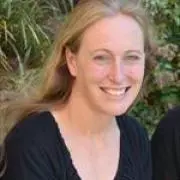
Voices from the Field
Clinicians, nurses, and researchers across 40 health systems shared what they learned about integrating vaccination into specialty care.

“Sometimes we specialty physicians are actually our patients’ most trusted physicians. And so, actually, what we recommend often carries a tremendous amount of weight.”
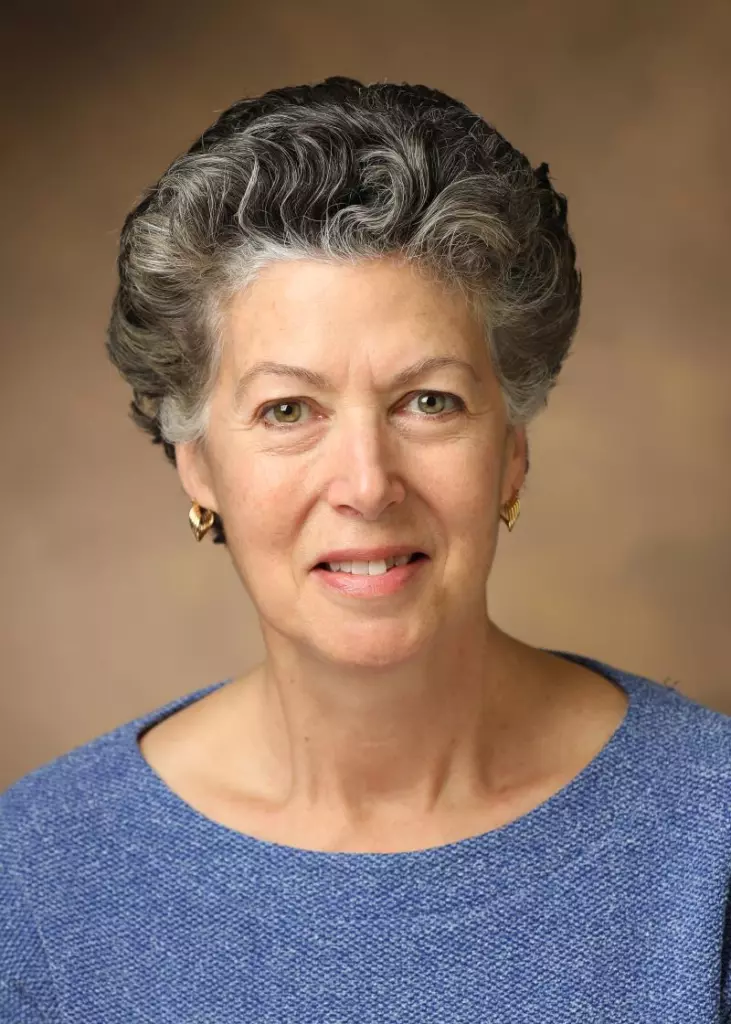
Dr. Tina Hartert
Vanderbilt University
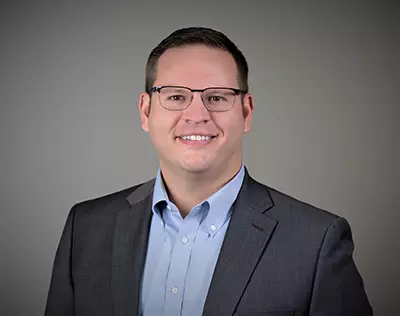
“We really looked at role clarity amongst the team members and learned that empowering our medical assistants to recommend and give these vaccines really improved efficiency.”
Nicholas Brening
University of Utah (Geriatrics)
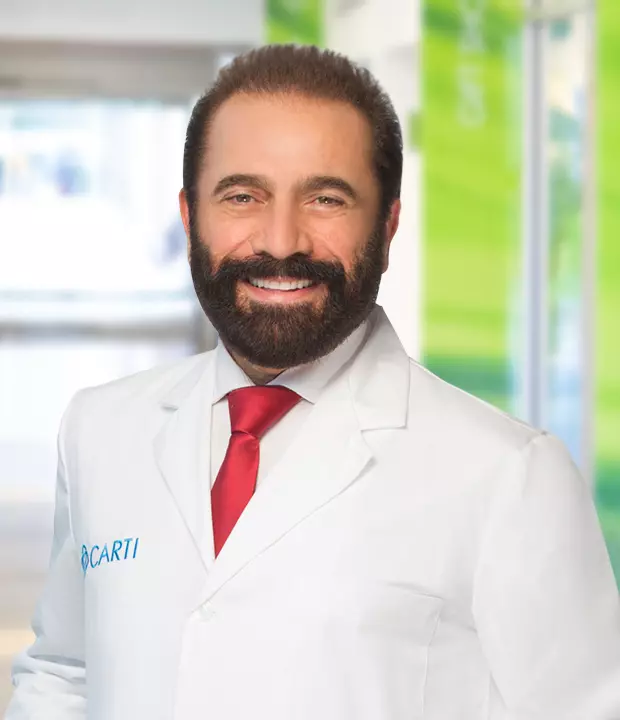
“If you stay with the innovators and the early adopters, your project will die in the end. You need to get that early majority.”
Sam Makhoul
RTI Cancer Network (Oncology)
“Patients that were vaccine-hesitant or vaccine-refusing during the visit did not want the conversation to end at ‘no. They wanted the physicians to engage them in understanding why they were hesitant.”
Abiodun Kukoyi
Grady Hospital (Pulmonary)
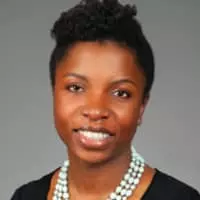
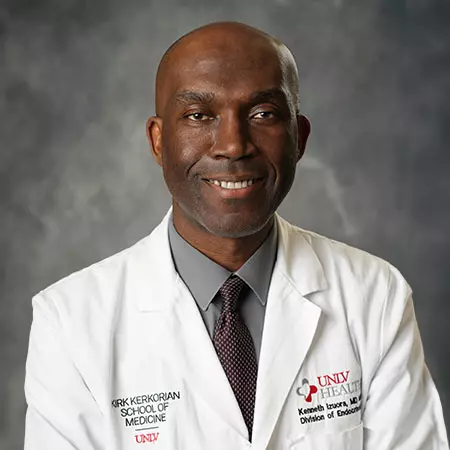
“Grants will come and go. At the end of the day, vaccine-preventable illnesses are there forever, right? Our patients are there forever. Grants are great – they’re like sparks. We spark a fire, but we have to keep the flame going.”
Dr. Kenneth Izuor
UNLV Health (Endocrinology)
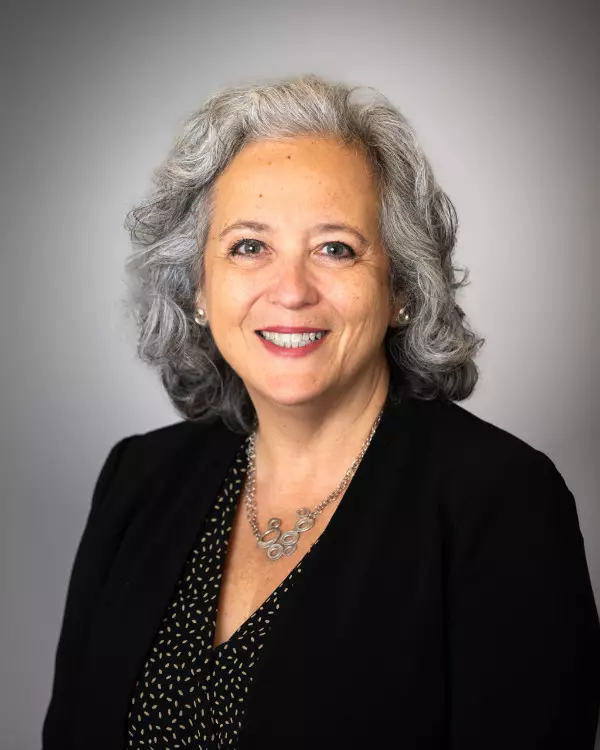
“You have to get people to be desperately interested. Not just passively. They have to really see this as so, so important that that passion sustains them, even when the funding may not.”
Helen Burstin
quoting Terry Fulmer, CMSS John A. Hartford Foundation
“The biggest surprise to us was we weren’t really sure how many patients would even look at the messaging. We had patients that were over the age of 90 that showed up to the vaccine clinic saying ‘I received this message on my phone.”
Haripriya Nagireddy
Penn Medicine (Geriatrics)

“We used an absolute minimalist approach. The reminder was just two words — ‘vaccine counseling. It’s cheap, it’s sustainable, it’s reproducible. Simple is good. Something is better than nothing.”
Dr. Jeffrey Sippel
University o f Colorado (Pulmonary)
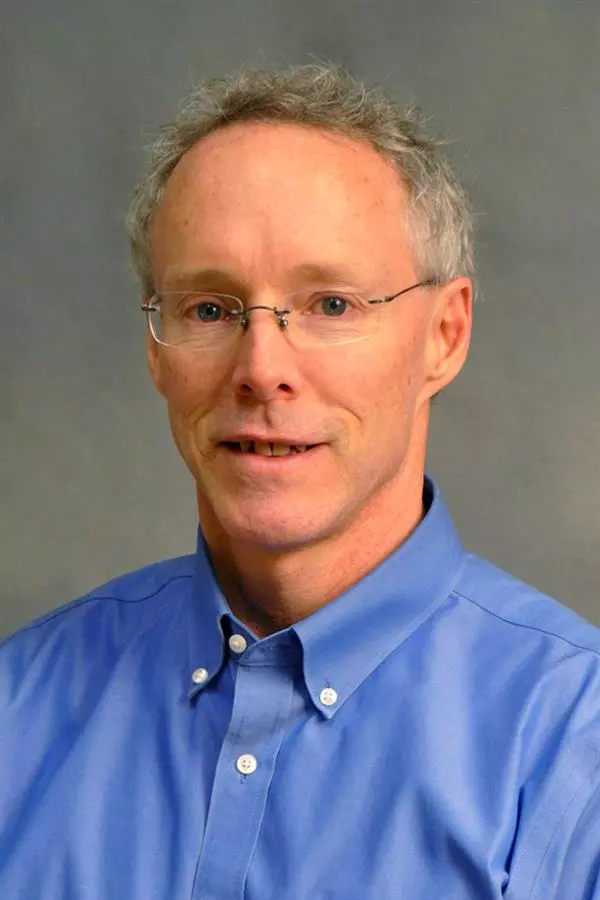
“When I started talking to patients, and these are all chronic disease patients, they said I’ve never talked about this before, and now that you’re bringing it up, I know it’s important.”
Dr. Archana Sadhu
Houston Methodist (Endocrinology)
“It’s not a method to convince patients to get a vaccine. Instead it creates a space to have those respectful discussions, to learn about patient motivations, to develop trust.”
Rachel Willard-Grace
UCS Center for Excellence in Primary Care